Last month I joined the Extinction Rebellion actions in Bristol and got myself arrested for willingly obstructing a highway. I’m not one for putting myself into the public eye, other than when teaching/facilitating, nor upsetting people, but this is so much bigger than any of that. It has been part of my life’s work to find the most effective tools to support us living in balance with the Earth. It brought me to permaculture, deep nature connection, regenerative culture, healing, grief tending and ceremony. And still the carbon emissions have been going up. We need a big shift in attention and action by all of us.
At this time of year when the Sun reaches its lowest point in the Northern hemisphere, many people feel the effect of the lack of light in their emotional being. And so i want to share some ways of bringing in some perspective.
..through connection with common weeds. Examine your attitude to Nettle and Dandelion to bring you back to Life.
In this article I want to invite you to examine your beliefs about and attitude to the wild weeds of your land. I’d like to start with two of our most common weeds, Nettle and Dandelion. I want to ask you to check your cultural story about these two plants and allow yourself to come back into full connection with them.
Our common weeds are a doorway into conscious connection with the web of life and can feed our curiosity for nature in so many ways. You can feel more connected and alive through your connection with the wild plants that grow all around you and the way they tap you into the cycles of nature.
I feel very lucky and grateful to have been invited to write a module on microclimates for a new online Permaculture design course. What I wasn’t expecting was the richness and enjoyment this extra awareness of microclimates has given me.
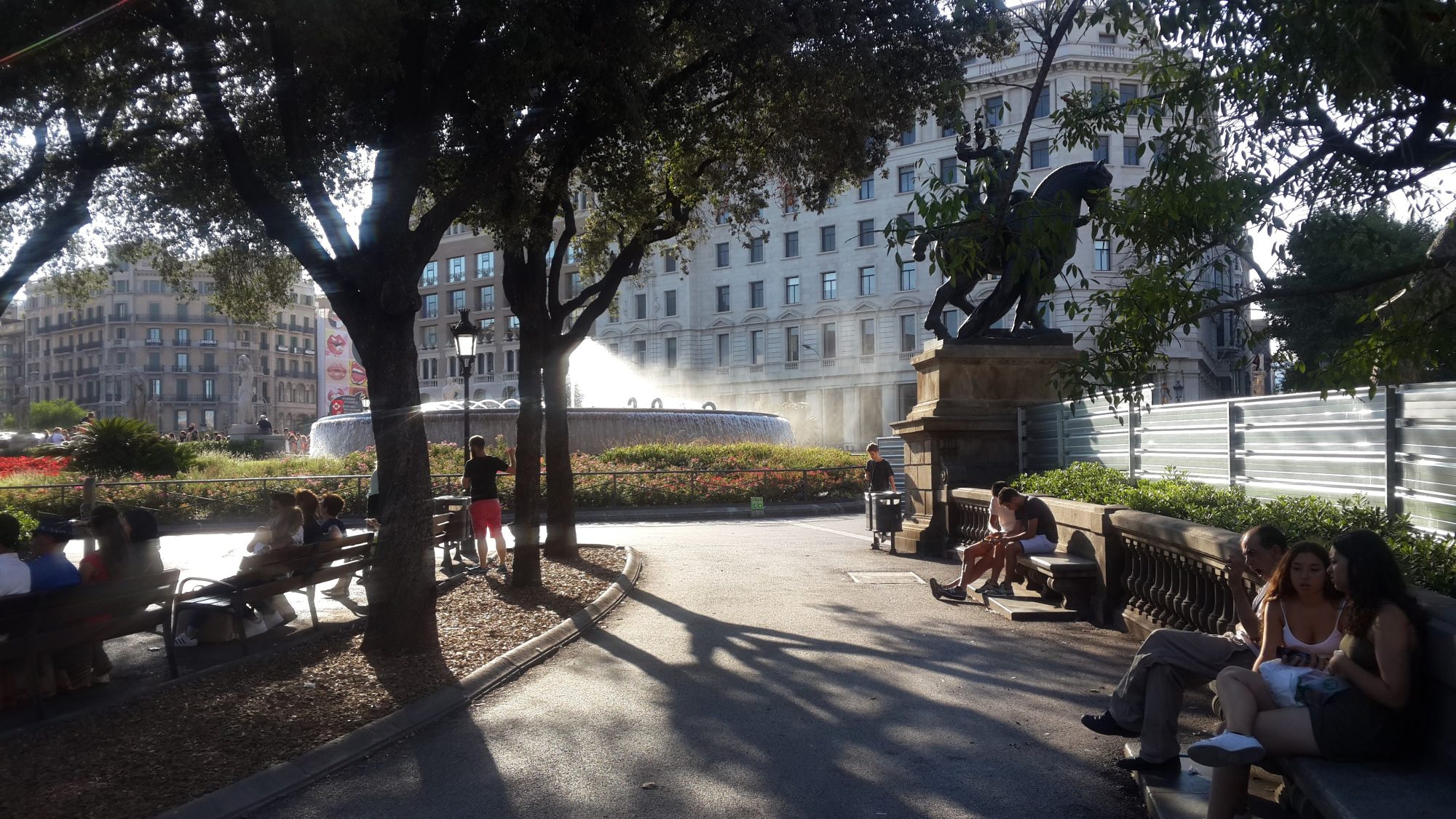
Imagine yourself on a scorchingly hot summer’s day, in an urban environment. How are you moving through this landscape? Which side of the road do you walk on? Do you walk near trees or avoid them. Scenario 2: a wet, cold, stormy winter’s day. Now how do you move through the landscape?
Cooling trees and fountains
Quite naturally most of us will unconsciously seek shade both from the sun, wind and the rain, to avoid their extremes. But in permaculture we make this a conscious process, refine this observation skill by fine-tuning our awareness for spotting differences in light, temperature, moisture and wind in the landscape: the microclimate. This awareness allows us to make deliberate observations about a site so that we can use the microclimates and niches that become available to optimum effect. We can then make choices about adapting our environment through making modifications, like planting trees to help cool hot spots or temper the wind.
I’ve noticed that through conscious awareness of these factors, I naturally and consciously make choices about how to optimise my use of microclimates. I relate to new places more quickly, get to know them through their local climate, and make other observations such as what grows naturally, what other things could be positioned where, like where would be a good spot for a particular fruit tree to thrive.
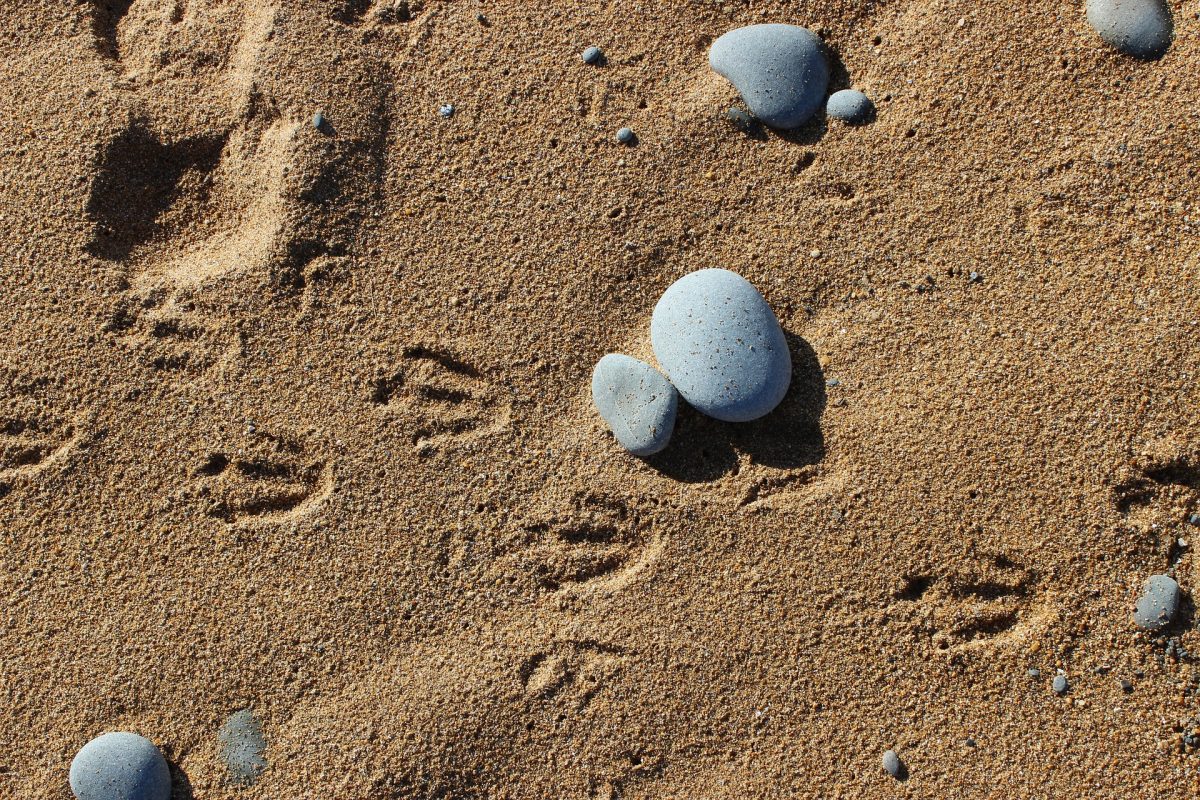
As hunter gatherers we relied on sharp senses to provide extensive data about our environment as we moved through it. For example using sight, hearing and touch to make observations and mental notes of wind speed and directions. This information informs how the wind affects the shape of animal tracks and therefore the decision on when the track was made and thus how far away the animal might be. Our lives would depend on our ability to interpret this information, both for obtaining food and protection from predators.
When we consciously practice noticing these different microclimate factors through our senses, we reawaken our bodies’ original design, fine-tuning our awareness of our environment and what it tells us. This allows us to relate directly to it and feel much more connected wherever we are. It directly links us to the landscape through our senses. In this way it becomes easy to feel at home more quickly wherever we are.
Similarly, when we know where the sun is and the time of day, it helps us to orientate ourselves in the landscape. As well as showing us the microclimate, it allows us to feel even more connected and related to place, more comfortable and therefore more at home.


 When we consciously practice noticing these different microclimate factors through our senses, we reawaken our bodies’ original design, fine-tuning our awareness of our environment and what it tells us. This allows us to relate directly to it and feel much more connected wherever we are. It directly links us to the landscape through our senses. In this way it becomes easy to feel at home more quickly wherever we are.