Permaculture Design Course on Dartmoor

When: 12-27th November
90 hours over two weeks
Who: With Aranya & Klaudia van Gool

Although permaculture is most commonly thought about in connection with gardening and farming, its principles, ethics and design methods can be adapted and used in each individual’s own work, interests, community and home to bring about a more harmonious and sustainable lifestyle.
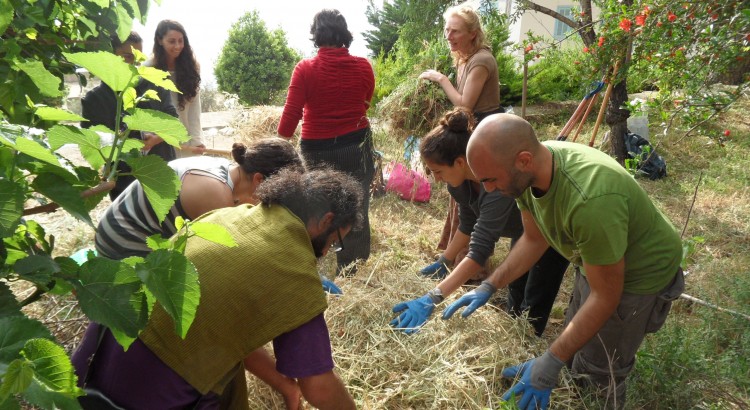
This course will be particularly rich in people-based permaculture – along with lots of land-based content as well. This practical course will bring the possibility of significant and positive life changes.

Read More

Ribwort Plantain – Plantago lanceolata

Another favourite, as it’s another very common weed, yet so useful as a medicine and food. The best thing for stings, from bees to nettles. Also good for deep cuts and as a tea for coughs.

Somewhat inconspicuous and by some confused with grasses, as they hide amongst them, I’ve been struck by the simple beauty of the flowers as they emerge from the rosette of leaves.

Its seedheads remain for most of the winter providing food for Goldfinches and other seed-eating birds.

Elder – Sambucus nigra

The Elder gives us the beautiful elderflower, great for cordial and elderflower ‘champagne’ and my favourite, the dried flowers used as a tea, especially good in winter. It brings a feeling of spring and warming comfort for colds. The Elderberry strengthens our immune system and is recommended at the onset of colds. Good as a syrup, it also makes a great jam and can be dried to use as tea.

Stinging nettle – Urtica dioica

The stinging nettle is one of the most functional plants in our wild store cupboard. As well as being one of the most nutritious, with high mineral and protein content, it also has many medicinal uses and is a dye plant. One favourite trick is using the leaf to treat the rash caused by it.